
Appearance Inspector Kappa Analysis
Move QC appearance training, training exams, and Kappa certification online: reusable digital samples, automatic Kappa / overkill / miss-rate scoring, and paperless, traceable inspector capability management.
E-Kappa is an integrated platform for manufacturing QC appearance inspectors—paperless online training, training exams, and Kappa job-certification. The system replaces physical parts with digital samples (including 2D and 3D); multiple examinees can test concurrently; MSA-aligned consistency metrics are calculated automatically. Typical use cases include batteries, 3C, and automotive components that rely on visual judgment.
E-Kappa can be deployed on the customer’s internal LAN so sensitive assessment and sample data never leave the plant. Image data or 3D models may be provided by the customer, or Jingduo can deliver data production services for library build-out and modeling.
Whether for new-hire certification or periodic re-qualification, E-Kappa connects “learn standards → prove skill → certify consistency” into a manageable, reviewable loop.


In quality systems, MSA (Measurement System Analysis) evaluates whether a measurement or judgment system is trustworthy. For appearance inspection—attribute judgment by human eyes—one common method is Kappa analysis: measuring agreement among multiple inspectors on the same sample set.
Appearance inspector consistency (Kappa) analysis focuses on people, not gauges: Do different QC inspectors share the same defect boundary? Is the same person stable over time? Do results align with the gold standard / authoritative judgment?
Core agreement metric between inspectors, or between inspectors and the standard. Higher values mean more consistent execution of appearance criteria.
Share of good parts wrongly judged NG. High overkill drives rework/scrap cost and distorts yield.
Share of defective parts wrongly accepted. Misses threaten shipment quality and customer trust—the critical risk line for visual QC.
Appearance inspection depends heavily on experience and interpretation of standards. Even with detailed SIPs, inconsistent grasp of defect grades and border samples creates “strict vs loose” drift on the same line.
Cracks, dirt, scratches, solder joints, and similar items often sit in gray zones. Without unified training and exams, overkill and misses rise.
Customer audits and internal QMS typically require certified inspectors and periodic re-evaluation—Kappa is the industry’s quantitative approach.
If training is not linked to exams and analytics, managers cannot find weak defect types or target personal remediation.
Overkill inflates manufacturing cost; misses drive complaints and recalls. Quantifying inspector capability with Kappa addresses both.
Traditional Kappa often relies on physical OK/NG samples, paper answer sheets, and post-processing in Minitab/JMP. Physical samples age, break, and get lost; organizing an event needs rooms, sample logistics, and one-by-one testing—slow and hard to audit.
| Dimension | Traditional physical assessment | E-Kappa digital assessment |
|---|---|---|
| Sample management | Parts age, break, contaminate; rare NG samples hard to replenish; poor long-term archive | Digital (2D / 3D) samples built once, reused long-term, version-controlled standards |
| Organization | Room setup and physical flow; mostly sequential, time-consuming | Browser-based, concurrent multi-user exams, no meeting-room bottleneck |
| Papers & anti-cheating | Fixed paper order; manual shuffle of samples, error-prone | Smart random papers; two-round order auto-adjusted with traceable IDs |
| Scoring | Manual entry into stats tools—slow and error-prone | Instant results: Kappa, overkill, miss rate, and agreement auto-calculated |
| Training linkage | Training and exams disconnected; paper records hard to search | Train → training exam → Kappa gated loop, fully paperless and traceable |
| Review & management | Wrong answers and history hard to retain; weak cross comparison | Instant wrong-answer review; personnel status, pass rates, and hard defects in multi-dimensional analytics |
E-Kappa uses gates to protect certification quality: candidates who have not completed training preview or failed the training exam cannot enter Kappa certification.
Browse the full training gallery
with standards / defect codes / grades
Random papers to reduce cheating
Typical pass line ≥ 90; multi-round retakes
Two-round agreement judgment
Auto Kappa / overkill / miss metrics
Core capabilities across samples, training, exams, administration, and analytics.
Digital samples (including 2D and 3D) replace physical parts: 2D galleries or modeled textures recreate appearance with zoom, rotate, and locate. Samples persist—no need to stage dozens of OK/NG physical parts before every event.
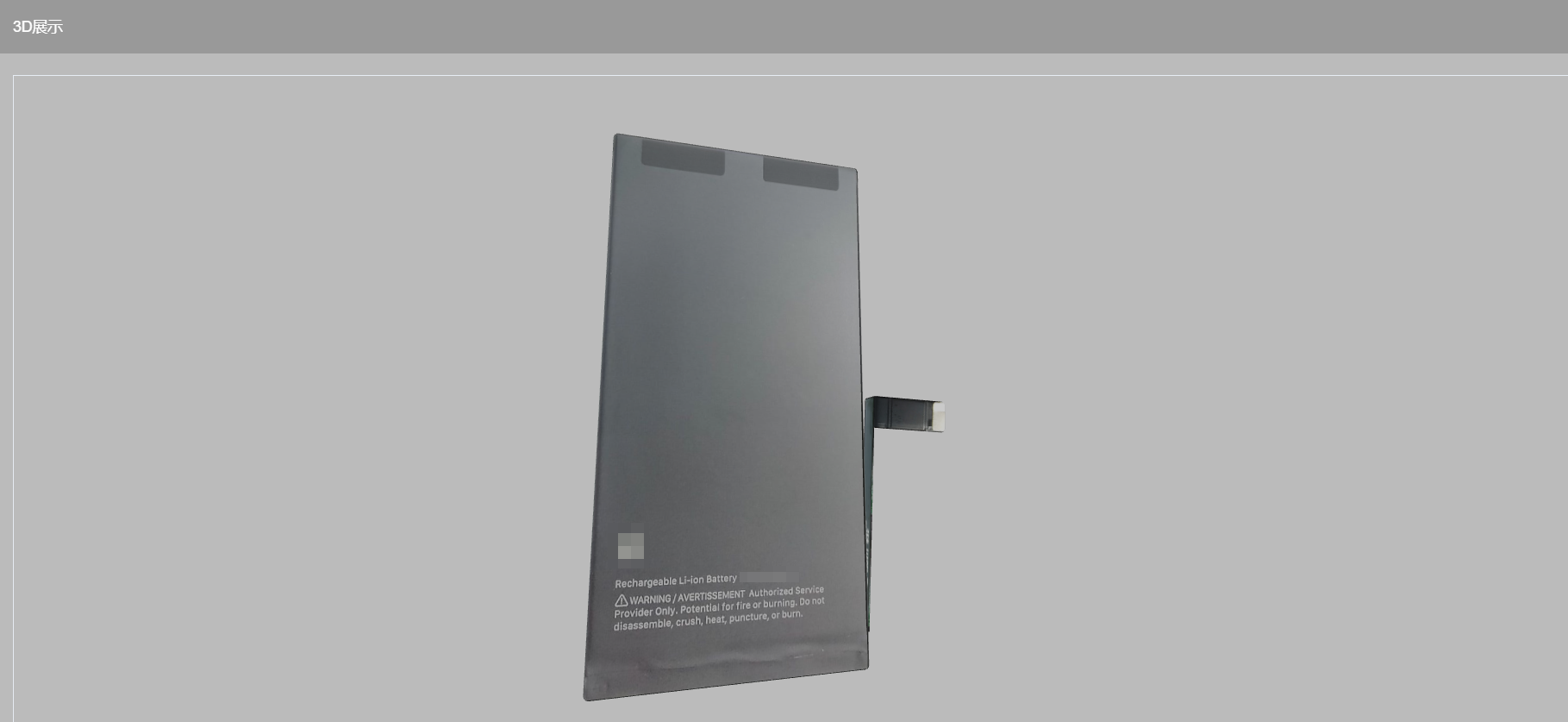
Learn anytime without a classroom: NG images show inspection criteria, defect codes, and grades. Random training exams with instant wrong-answer review until pass.
Random papers by OK/NG ratio and defect-grade mix; two-round judgment; automatic Kappa, overkill, and miss rates—no manual import into stats software.

Organize item banks and sample assets by project/dataset with batch maintenance—ready for parallel lines and models.

Admins see training, training-exam, and Kappa status in one place; force-exit or clear-and-retake keeps sessions orderly and remediable.
Personal trends, population distributions, paper pass rates, and hard-defect analytics. B/S architecture supports deployment on the customer’s internal LAN, keeping sensitive data inside the plant.
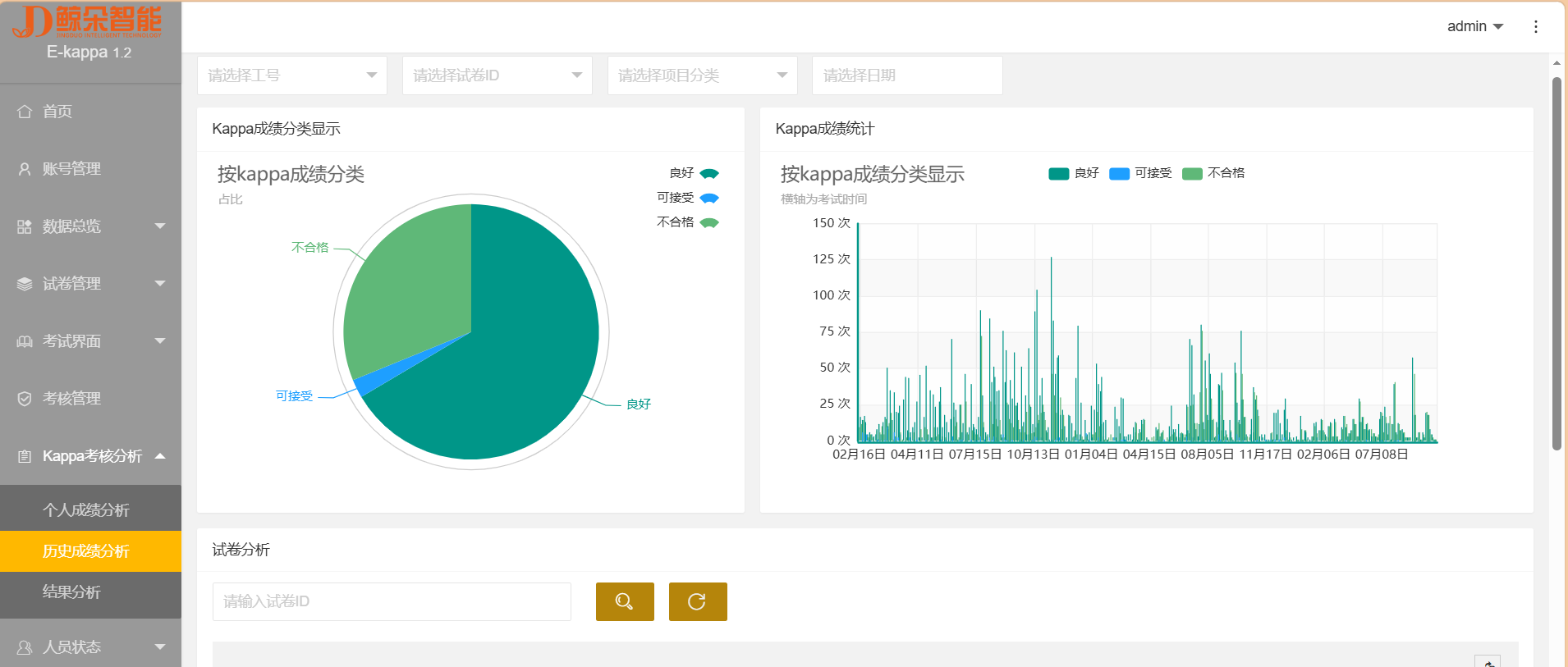


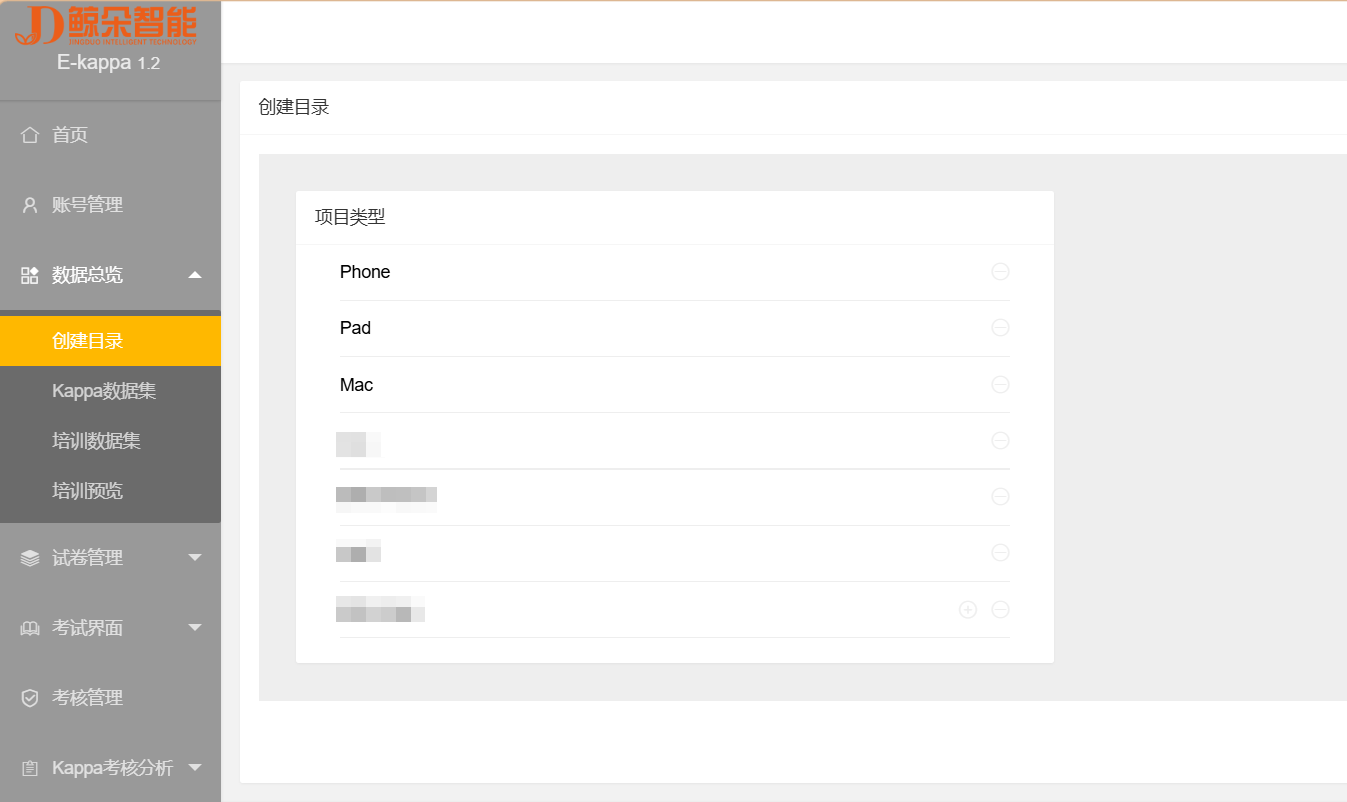
Training and Kappa certification for cell body, label, FPC, solder, connector, and related visual defects.
Consumer-electronics and assembly appearance posts that need unified judgment standards.
Any visual attribute judgment role that needs MSA Kappa and inspector capability management.
Traceable electronic records for onboarding credentials, periodic refreshers, and audit evidence.